
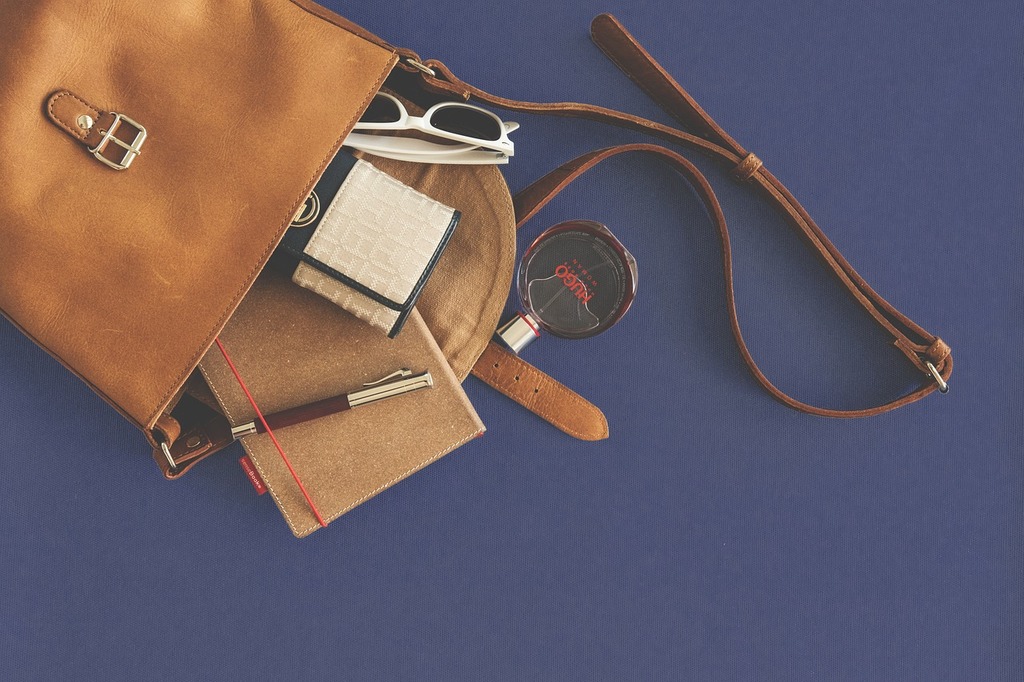
A beautiful handbag is more than just an accessory — it’s an investment piece that you carry with you every day. Whether you’ve treated yourself to a Guess crossbody, a Michael Kors satchel, or a classic leather tote, the way you care for your bag determines whether it stays looking stunning for years or starts showing wear after just a few months.
Most handbags you’ll find in our collection are made from either genuine leather or faux leather (polyurethane/PU leather), and each material has its own care needs. Here’s your complete guide to keeping every bag in your collection looking its best.
Know Your Material
Before you do anything, check the label inside your bag. The care instructions and material composition will tell you exactly what you’re working with, and the wrong approach for the wrong material can do more harm than good.
Genuine leather has a distinctive rich, earthy smell and develops a natural patina over time. It’s durable and ages beautifully with proper care, but requires regular conditioning to stay supple.
Faux leather (PU/polyurethane) is smoother and more uniform in texture. It’s easier to clean day-to-day, more affordable, and doesn’t require conditioning — but it is more sensitive to chemicals and can crack or peel if mistreated. Most Guess handbags and many of our other fashion bags are made from polyurethane.
Suede and nubuck have a soft, velvety texture. They look luxurious but are the most delicate — water and stains are their biggest enemies.
Canvas and fabric bags are the most forgiving material. Many can even be machine washed on a gentle cycle, though spot cleaning is usually sufficient.
If there’s no label, try the water test: place a tiny drop of water on an inconspicuous area. If it absorbs quickly, it’s likely genuine leather. If it beads up and sits on the surface, it’s probably faux leather or treated leather.
Start with Clean Hands
This is the most basic rule of handbag care, and the one most people overlook. Our hands come into contact with oils, lotions, food residue, sunscreen, and makeup throughout the day — all of which can transfer to and gradually stain or discolour your bag’s surface.
Make it a habit to wash and thoroughly dry your hands before handling your bag, especially after applying moisturiser or makeup. Let lotions fully absorb before picking up your bag. It’s a small thing, but it makes a significant difference over time — particularly on light-coloured bags where hand oils show up as darkened patches on the handles.
Daily Care Habits That Make a Difference
Wipe It Down Regularly
A quick wipe with a soft, dry microfibre cloth every few days removes surface dust and prevents buildup before it becomes ingrained. Pay special attention to handles and areas that come into regular contact with skin — these are the spots where oils and dirt accumulate fastest. For leather bags, a weekly wipe is ideal. For faux leather, the same cloth will do — you don’t need any special products for routine maintenance.
Empty Your Bag at the End of the Day
As tempting as it is to leave your bag packed and ready for tomorrow, emptying it each evening serves two important purposes. First, it gives you a chance to inspect for any new scuffs or stains while they’re fresh and easier to treat. Second, it prevents unnecessary strain on the bag’s structure, straps, and hardware from carrying weight while stored. A heavy bag sitting on its base overnight is slowly distorting its own shape.
Keep the Inside Organised
Pens, lipsticks, keys, loose coins, and other everyday items can roll around inside your bag, scratching the interior lining and causing stains that are nearly impossible to remove. The solution is simple: use a small pouch or cosmetics bag to corral anything that could leak, stain, or scratch. Keep pens capped or stored in a case — ink stains on a bag lining are devastating. And if you carry food or snacks, always use a separate sealed bag as an extra barrier.
How to Clean Your Handbag by Material
Genuine Leather
Leather is essentially skin, and it needs similar attention — think of it as a skincare routine for your bag.
Regular cleaning: Use a slightly damp cloth with a small amount of saddle soap or mild leather cleaner. Work in gentle circular motions, then wipe clean with a fresh damp cloth (plain water only) and let air dry completely. Never soak leather or submerge it in water — leather absorbs moisture, and excess water can cause bacteria buildup, mildew, or permanent water marks.
Conditioning: Apply a quality leather conditioner once a month (or every few months for bags you use less frequently). This keeps the leather supple and prevents drying and cracking. Work the conditioner in evenly with a clean cloth, paying extra attention to handles, corners, and the base — the areas that see the most wear. Let it absorb, then buff off any excess.
If your bag gets wet: Don’t panic, but act quickly. Blot the moisture immediately with a thick microfibre towel — dab, don’t rub. Then let your bag dry naturally in a well-ventilated area. Never use a hairdryer, as the heat dries out the leather and can cause cracking. Never place wet leather in direct sunlight either, as this causes the colour to fade unevenly.
Faux Leather (PU Leather)
Faux leather is lower maintenance than genuine leather, but it has its own vulnerabilities. The key thing to remember: faux leather is not leather, and it should never be treated as such.
Regular cleaning: A damp microfibre cloth with a single drop of mild dish soap is all you need. Wipe the entire surface with light motions — faux leather doesn’t need vigorous scrubbing. Rinse by wiping with a clean damp cloth (plain water), then dry immediately with a dry cloth. Don’t let water sit in the seams, as moisture can work its way under the PU coating and cause bubbling or peeling.
What to avoid: Never use leather conditioner, leather balm, shoe polish, or any fatty/waxy products on faux leather. These products are designed for natural fibres — on PU leather, the fatty agents soften the polyurethane coating and actually accelerate cracking and peeling. Also avoid acetone, nail polish remover, rubbing alcohol, bleach, and any harsh solvents. These can strip the finish, cause discolouration, or dissolve the coating entirely.
Protection: You can use a protective spray specifically designed for faux leather to add an extra barrier against daily wear. Apply lightly — don’t oversaturate — and let it dry completely before using the bag.
Suede and Nubuck
These textured materials look beautiful but demand the most careful handling.
Before first use: Apply a waterproofing spray designed for suede before you take the bag out for the first time. This invisible barrier provides significant protection against water and stains. Reapply every few months or after cleaning.
Regular care: Use a soft suede brush to gently brush away surface dirt. Always brush in one direction to maintain the nap. For scuffs, a clean pencil eraser can work surprisingly well — gently rub the scuff and brush away the residue.
If suede gets wet: Blot gently with a clean, dry cloth. Let it air dry naturally — never use heat. Once dry, brush the nap back into place with a suede brush. For serious stains on suede, it’s best to take the bag to a professional rather than attempting home remedies that could make things worse.
Canvas and Fabric Bags
Fabric bags are the easiest to care for. Spot clean with a mild soap and water solution using a soft-bristled brush. For tougher stains, a paste of baking soda and water can draw out dirt — apply it, let it sit for 15 minutes, then brush away and wipe clean. Canvas and nylon bags can even be machine washed on a delicate cycle at 30°C in a mesh laundry bag — no fabric softener, and always air dry. Always test any cleaner on a hidden area first.
Stain First Aid
The golden rule of stain removal is speed. The faster you treat a stain, the better your chances of complete removal. Here’s how to handle the most common culprits:
Oil and grease: Sprinkle baby powder, cornstarch, or baking soda generously over the stain and leave it overnight (or at least several hours). The powder absorbs the oil from the material. Brush it away gently the next day. Repeat if needed — stubborn grease stains sometimes need two rounds.
Ink: Dab gently with a cotton swab dipped in rubbing alcohol. Work from the outside of the stain inward to prevent spreading. Always test on a hidden area first, as alcohol can affect some finishes. Never rub — always dab.
Dye transfer from clothing: This is one of the most common — and most frustrating — handbag problems. Dark-wash jeans are the biggest offender, especially with light-coloured bags. The friction of denim rubbing against leather or faux leather transfers the indigo dye. Prevention is the best cure: avoid pairing dark jeans with pale bags, or add a protective layer between them (like a longer jacket or cardigan). If transfer does occur, treat it immediately with a gentle leather cleaner for leather bags, or a damp cloth with mild soap for faux leather. The longer dye transfer sits, the harder it is to remove.
Water marks on leather: Paradoxically, the best treatment for water marks on leather is to dampen the entire surface evenly with a lightly damp cloth, then let it dry naturally. This prevents the watermark ring from setting as a permanent boundary line.
Makeup: Remove makeup stains with a clean, slightly damp cloth and a tiny amount of dish soap. For foundation or concealer, a makeup remover wipe (oil-free) can also work. Treat the stain from the outside in, and don’t rub — dab and lift.
For serious stains or damage beyond what home treatment can handle, take your bag to a professional leather specialist. It’s worth the investment to save a bag you love.
How to Store Your Handbags
Proper storage is just as important as cleaning — a well-stored bag stays in far better condition than one that’s been tossed on a shelf or hung on a hook.
Stuff Them to Keep Their Shape
Fill unused bags with clean, undyed tissue paper, a soft cloth, or even a small pillow to gently maintain the bag’s silhouette. Don’t overstuff — the goal is to support the shape, not stretch it. Never use newspaper, as the ink can transfer to the interior lining. And never use plastic bags as filler — plastic traps moisture, which can lead to mould, mildew, and permanent damage to the material.
Use Dust Bags
If your bag came with a dust bag, use it — that’s exactly what it’s designed for. It protects against dust, scratches, accidental scuffs from other items, and light-induced colour fading. If you don’t have one, a clean cotton pillowcase makes an excellent substitute. Never store bags in plastic bags or airtight containers — trapped moisture is the enemy.
Store Upright on a Shelf
Never hang your bags by their straps for long-term storage. Hanging puts constant stress on the strap connectors and seams, causing stretching, distortion, and premature wear at the attachment points. Instead, stand your bags upright on a shelf. Don’t stack bags on top of each other, as the weight can crush softer bags and hardware (zips, buckles, clasps) can scratch adjacent bags.
Avoid Sunlight and Heat
Direct sunlight causes leather to fade, dry out, and eventually crack. Faux leather is equally vulnerable — UV exposure accelerates the breakdown of the polyurethane coating, leading to peeling and discolouration. Store your bags in a cool, dry place away from windows, radiators, and other heat sources. A wardrobe or closet shelf is ideal.
Open Buckles and Straps
If your bag will be stored for an extended period (a season or more), unfasten all buckles, open all straps, and undo any closures. This prevents permanent impressions and creases from forming in the leather or material where hardware presses against the surface.
The Hardware Needs Attention Too
Zips, clasps, buckles, chains, and other metal hardware are easy to forget about, but they need care as well. Grime and body oils accumulate in the crevices around hardware and can cause tarnishing over time. Every month or so, use a soft toothbrush or cotton swab to clean around metal fittings. For gold or silver-toned hardware, a gentle wipe with a slightly damp cloth is usually enough to restore the shine. Avoid abrasive polishes, as these can strip protective coatings.
Rotate Your Collection
Carrying the same bag every single day puts repetitive stress on the same spots — straps, seams, corners, the base, and hardware all take a beating. Over time, this concentrated wear leads to stretched handles, worn corners, and weakened seams.
A simple rotation system makes a real difference. Even switching between just two or three bags during the week distributes wear more evenly and gives each bag time to rest and recover its shape. It also keeps your overall look feeling fresh — a style bonus on top of the practical benefits.
For bags you use less frequently (evening clutches, seasonal pieces), check on them periodically during storage to catch any issues like mould, stiffening, or hardware tarnish early.
Watch Out for Colour Transfer
This deserves its own section because it’s one of the most common causes of permanent damage to handbags. Dark-wash denim, particularly new jeans that haven’t been washed yet, can transfer indigo dye to light-coloured bags through friction. The rubbing of the bag against your hip or thigh as you walk is enough to gradually stain the material.
Prevention tips: If you’re wearing dark jeans, carry your bag by the handles or shorten the strap so it sits higher on your body, away from your jeans. You can also place a scarf or jacket between the bag and your clothing. And if you’ve just bought new dark denim, wash them separately a couple of times before pairing them with your lighter bags.
Interior Care
The inside of your bag matters just as much as the outside — stains, odours, and debris inside the bag affect its overall condition and longevity.
Regular maintenance: Turn the lining inside out as far as it will go and shake out crumbs and debris. A lint roller or handheld vacuum picks up dust and small particles effectively.
For fabric linings: Spot clean with a cloth dampened with a mixture of warm water and a few drops of mild dish soap. For stubborn stains, a small amount of baking soda can help — sprinkle it in, let it sit for an hour, then vacuum it out.
For ink stains on the lining: Dab with a cotton pad soaked in rubbing alcohol. Work carefully to avoid spreading the stain.
For odours: Stuffing your bag with crumpled tissue paper or activated charcoal sachets overnight absorbs unwanted smells effectively. Baking soda in a small open container left inside the closed bag works too.
Protect Your Investment
A well-cared-for handbag doesn’t just look better — it lasts years longer and retains its value. The care habits in this guide take just a few minutes but make an enormous difference over time. Think of it as a small investment that pays off every time you reach for your favourite bag and it still looks as good as the day you bought it.
Browse our full collection of Women’s Bags — from crossbodies and totes to satchels and clutches by Guess, Michael Kors, Calvin Klein, and more.
